


Why is my Car Pulling to One Side?
Ever find yourself gripping the wheel a little tighter because the car keeps drifting toward the shoulder? That's usually a sign your car leans to one side when driving, and it's one of the most common concerns drivers bring to the service drive at Coulter Camelback Buick GMC in Phoenix. Between the summer heat, the potholes, and the daily commute across the Valley, it doesn't take much to knock a vehicle out of balance. The good news? Most of the time, there's a straightforward fix.
What Does It Mean When Your Car Pulls to One Side?
It means something in the steering, suspension, tire, or brake system isn't balanced side-to-side. What does it mean when your car pulls to one side? It's one of the most common questions Phoenix drivers search for, and the short answer is simple: the car isn't tracking evenly anymore, and it's worth a look before the problem grows.
On a flat, straight road, a healthy car should hold its line with barely any steering input. When it doesn't, the cause is usually mechanical rather than a bad habit behind the wheel. A common example is a car pulling to the right after hitting a curb or a deep pothole. A jolt like that can knock the front end out of alignment in an instant. Tire issues show up just as often. Uneven tread, mismatched tire types, or a tire that's lost air pressure will pull the car toward the low or worn side. Phoenix's heat adds another wrinkle, since temperature swings can cause tire pressure to change faster than drivers expect. Whatever the trigger, the fix usually starts with a careful inspection rather than guesswork.
Key Takeaways
- Pulling almost always points to an alignment, tire, or brake issue, sometimes more than one at once.
- Uneven tire wear and dropping fuel economy are early warning signs something's off.
- A sticking brake caliper can cause pulling that's most noticeable when the brakes are applied.
- Ignoring the pull tends to speed up tire wear and adds stress to the suspension over time.
- A quick alignment and brake inspection at Coulter Camelback Buick GMC usually pinpoints the cause fast.
Common Causes at a Glance
This table helps drivers compare the main causes side by side before their visit.
| Factor | Impact | Example |
|---|---|---|
| Wheel alignment | Steering pulls consistently in one direction | Hitting a curb or pothole knocks the front end out of spec |
| Tire pressure or wear | Uneven grip causes drifting toward the low side | One tire underinflated or more worn than the rest |
| Brake calipers | Car pulls hard, especially under braking | A sticking caliper grabs unevenly on one side |
| Suspension components | Mild, inconsistent handling | Worn control arm bushings affecting one side |
| Road crown | Slight, normal drift | Crowned roads naturally push cars toward the shoulder |
Signs You're Dealing With a Pulling Problem
- The steering wheel feels off-center even when driving straight.
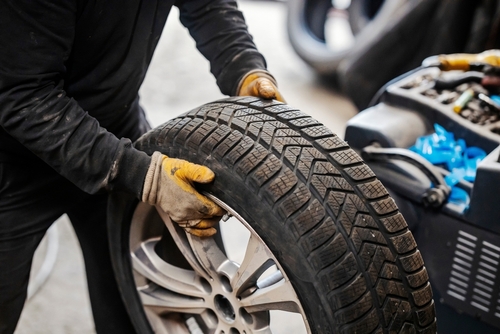
- One front tire shows noticeably more wear than the other.
- The vehicle drifts toward one shoulder at highway speed.
What Can Cause a Car to Pull to One Side?
The three most common culprits are wheel alignment, tire condition, and the brakes, and it's not unusual for more than one to be involved at the same time. What can cause a car to pull to one side is really a question of which system slipped out of balance first.
- Alignment problems happen gradually from everyday driving or suddenly after a hard impact with a curb or pothole.
- Tires factor in almost as often: uneven air pressure, cupped or worn tread, or a mismatched set can throw the car's balance off enough to feel it in the wheel.
- Brakes are the culprit people most often overlook. A sticking caliper, rust buildup, or worn hardware on just one side can make the car pull hard, especially the moment the brake pedal is pressed.
- Suspension wear, such as a tired control arm bushing, can cause a milder version of the same symptom. None of these show up on a dashboard warning light, which is exactly why a hands-on inspection matters.
Is It Safe to Keep Driving If My Car Pulls to One Side?
It's not an emergency in most cases, but it's not something to put off either. A pulling car can usually be driven a short distance safely, though the underlying issue tends to worsen, and become more expensive, the longer it goes unaddressed.
The biggest risks are tire wear and reduced control. Constantly correcting the wheel wears tread unevenly, cuts into fuel economy, and puts extra strain on suspension parts that weren't designed to compensate for a lopsided setup. It gets more serious if the pull is caused by brakes, since uneven braking force can make quick stops or emergency maneuvers less predictable, particularly on wet roads or in heavy Phoenix traffic. Drivers often notice the pull first on the highway, where a small steering correction becomes a bigger deal at speed. If the drift is sudden, strong, or paired with a vibration or noise, that's a sign to get it looked at right away rather than waiting for the next scheduled service.

Get Service Today!
A car that won't hold a straight line is annoying at best and a safety concern at worst, but it's rarely a mystery once a technician gets eyes on it. Alignment, tires, and brakes cover the vast majority of cases, and catching issues early keeps repairs simple and tires last longer. Coulter Camelback Buick GMC in Phoenix sees this kind of concern regularly, and getting it checked sooner rather than later is the easiest way to keep driving smoothly and confidently.
Noticing any of these signs? Scheduling a quick alignment and brake check at Coulter Camelback Buick GMC is an easy next step, and it beats guessing at what's causing the drift.
SCHEDULE ALIGNMENT CHECKFrequently Asked Questions
How can I tell if it's an alignment issue or a tire issue?
Alignment problems usually cause a steady pull in one direction on smooth roads, while tire issues often present as uneven tread or a soft tire. A technician can confirm which one it is with a quick inspection.
Can low tire pressure cause my car to pull?
Yes. A tire that's underinflated compared to the others creates uneven rolling resistance, which can pull the car toward that side.
Why does my car only pull when I brake?
That's typically a brake issue, often a caliper that's sticking or grabbing unevenly on one side. It's worth having checked soon, since it can affect stopping distance.
Is it expensive to fix a car that pulls to one side?
It depends on the cause. An alignment is usually a quick, affordable fix, while a sticking caliper or worn suspension part costs more but prevents bigger repairs down the road.
How often should I get an alignment checked in Phoenix?
A yearly check is a good baseline, though it's smart to have it looked at sooner after hitting a curb, a big pothole, or noticing any new pulling or uneven tire wear.